
Free Nutrition & Superfood Tools
Calculators and interactive guides tailored to Indian vegetarian diets, grounded in ICMR-NIN science. Simple, honest, and built for real kitchens.
Explore the toolsExplore Our Calculators
Pick a tool to find your targets, calculate daily meal portions, or discover your ideal superfood habit.
Vegetarian Protein Calculator (India)
How much protein do I need?
Your daily protein target for staying healthy, weight loss or muscle gain — plus an Indian vegetarian meal plan to hit it.
Daily Nutrient Calculator
Protein, iron, calcium & vitamin C
Your daily needs for key nutrients based on ICMR-NIN guidelines for Indians, with foods that help you get there.
Iron Intake Calculator
Am I eating enough iron?
Add up the iron in a typical day of Indian vegetarian food and compare it with your daily target.
How Much Moringa Per Day? Dose Calculator
Moringa, amla, ashwagandha & more
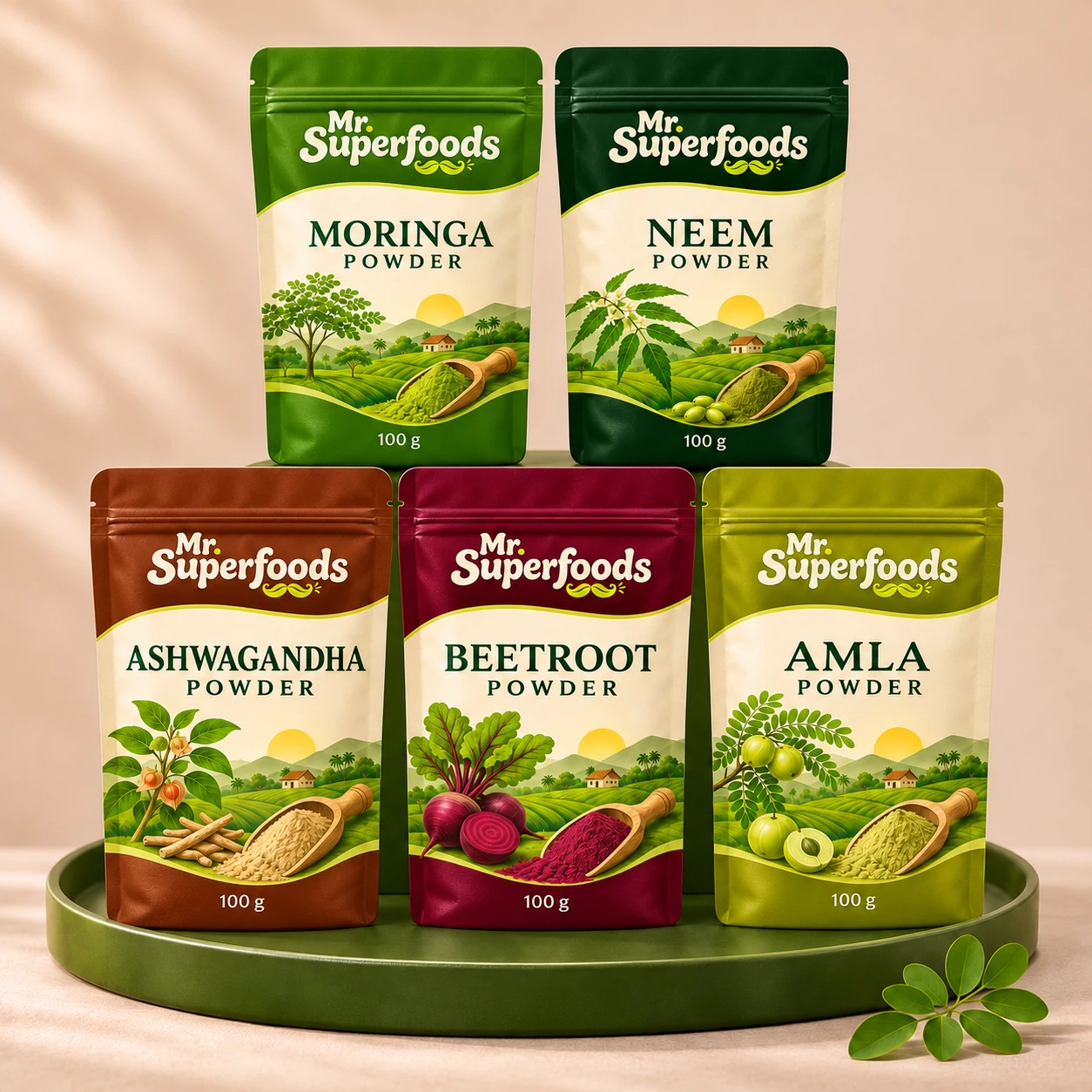
How much of each superfood powder to take per day in teaspoons and grams, the best time, and a 7-day ritual plan.
Which Superfood Should I Take? Quiz
60-second quiz
Answer five quick questions to find the superfood powder that fits your goal, routine and taste.
Built Different
Why We Built These Tools for Indian Kitchens
ICMR-NIN & IFCT Data
Every calculation is calibrated to Indian reference body weights and dietary compositions from the National Institute of Nutrition.
Food-First Philosophy
Real food comes first: dal, paneer, curd, halim, and rotis. Superfoods are the natural spoonful that elevates your daily plate.
100% Free & Private
All numbers run right in your browser. We never gate your answers behind spam forms or forced email signups.
Problem & Solution
Looking for Whole Lifestyle Guides?
Explore our food-first guides for natural energy, better sleep, workout recovery and iron.
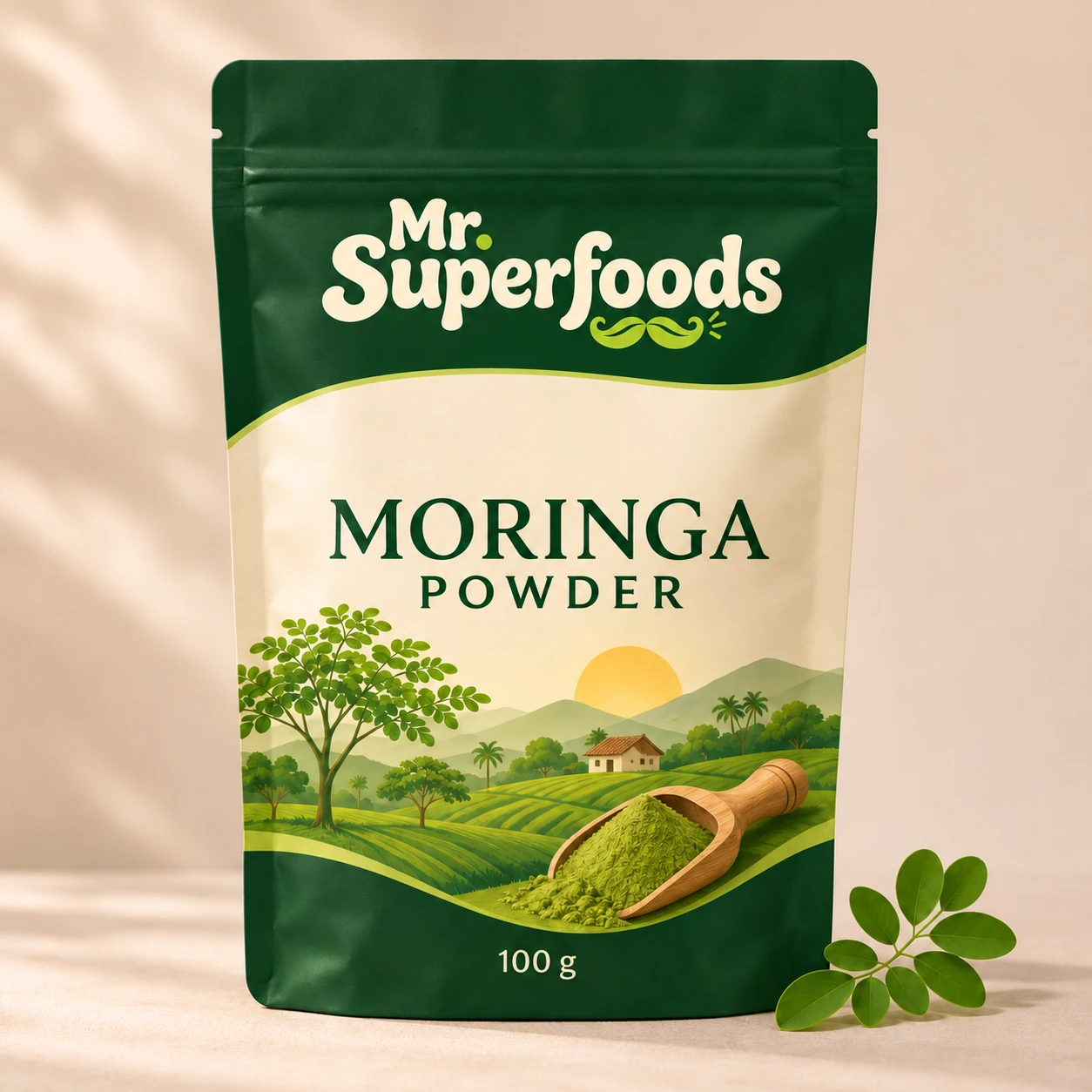
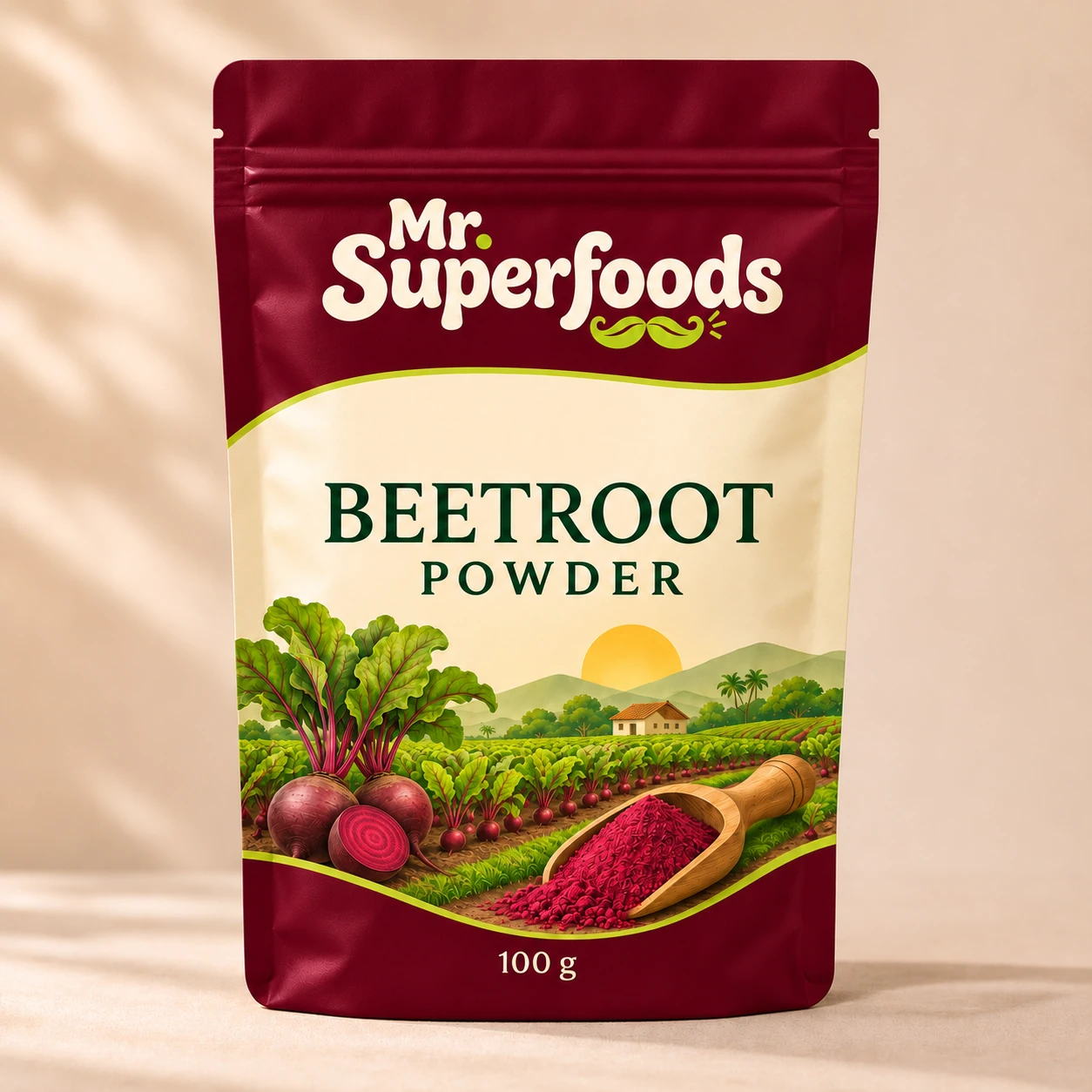
Steady energy without caffeine usually comes from the basics: enough sleep, regular meals with protein, enough iron, water and daylight. A simple morning ritual — a glass of water with a spoon of moringa or beetroot powder — is an easy, caffeine-free way to start the day.
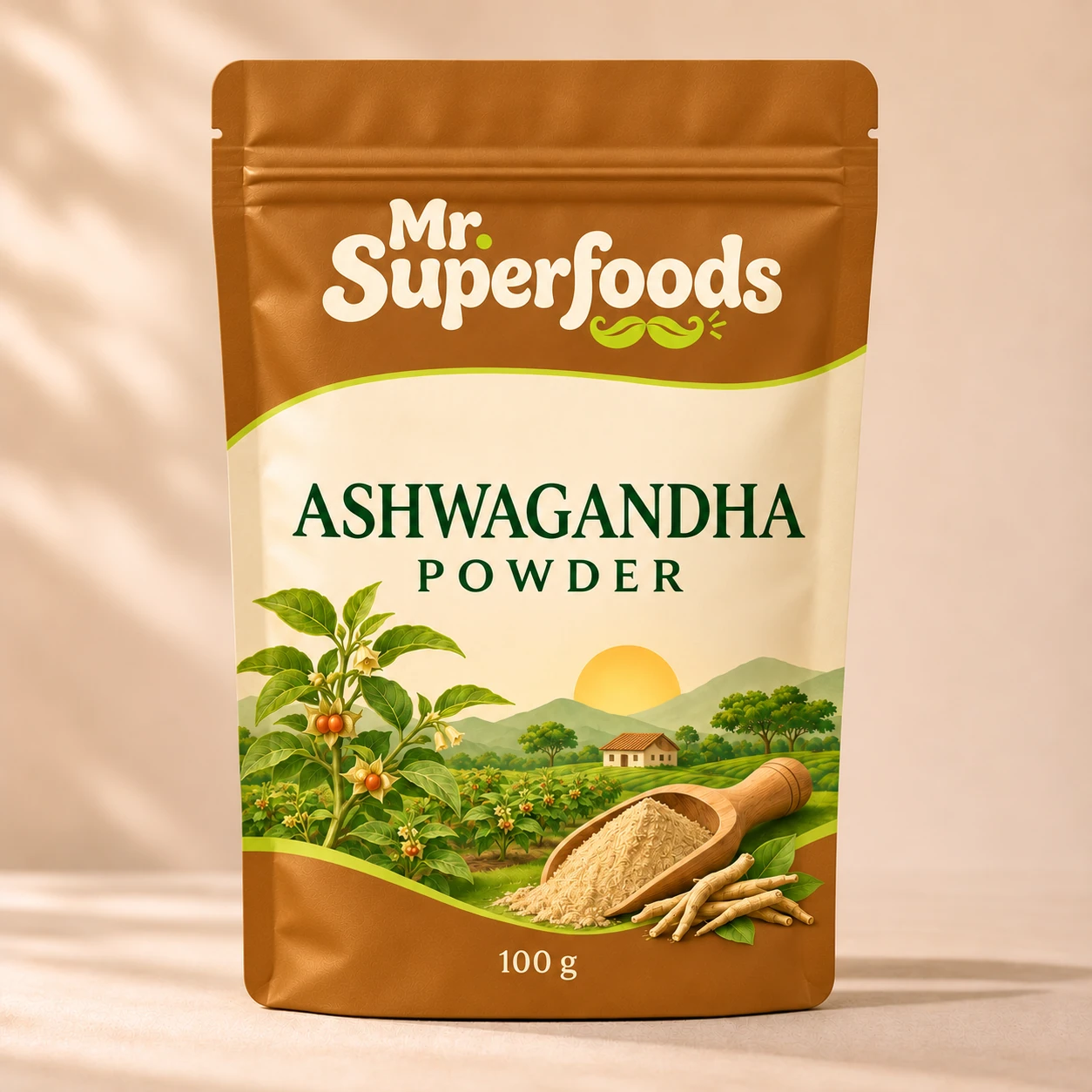
Read guideGuideHow to Sleep Better NaturallyBetter sleep usually starts with a fixed bedtime and wake time, a dark and cool room, and less screen time in the last hour. A warm, caffeine-free bedtime drink — like moon milk with a pinch of ashwagandha — is a traditional Ayurvedic way to signal the end of the day.
Read guideGuidePost-Workout Recovery for VegetariansAfter training, vegetarians recover best with 20–30 g of protein plus some carbs within a couple of hours, enough water and good sleep. Indian options like paneer, curd, dal, soya, tofu and a sattu or milk drink cover it easily — no protein powder required.
Read guideGuideImmunity-Supporting Foods in IndiaThere is no single food that 'boosts' immunity, but a varied diet gives your body what it needs: vitamin C (amla, guava, citrus), protein (dal, curd, paneer), zinc (seeds, nuts, whole grains) and plenty of vegetables. Amla — Indian gooseberry — is one of the richest natural sources of vitamin C.
Read guideGuideIron-Rich Vegetarian Foods (Indian Guide)Good vegetarian sources of iron in India include garden cress seeds (halim), rajma and chole, dal, soya, palak, sesame and pumpkin seeds, and ragi. Plant iron is absorbed better with vitamin C — so add amla, lemon or guava to iron-rich meals, and keep tea and coffee away from mealtimes.
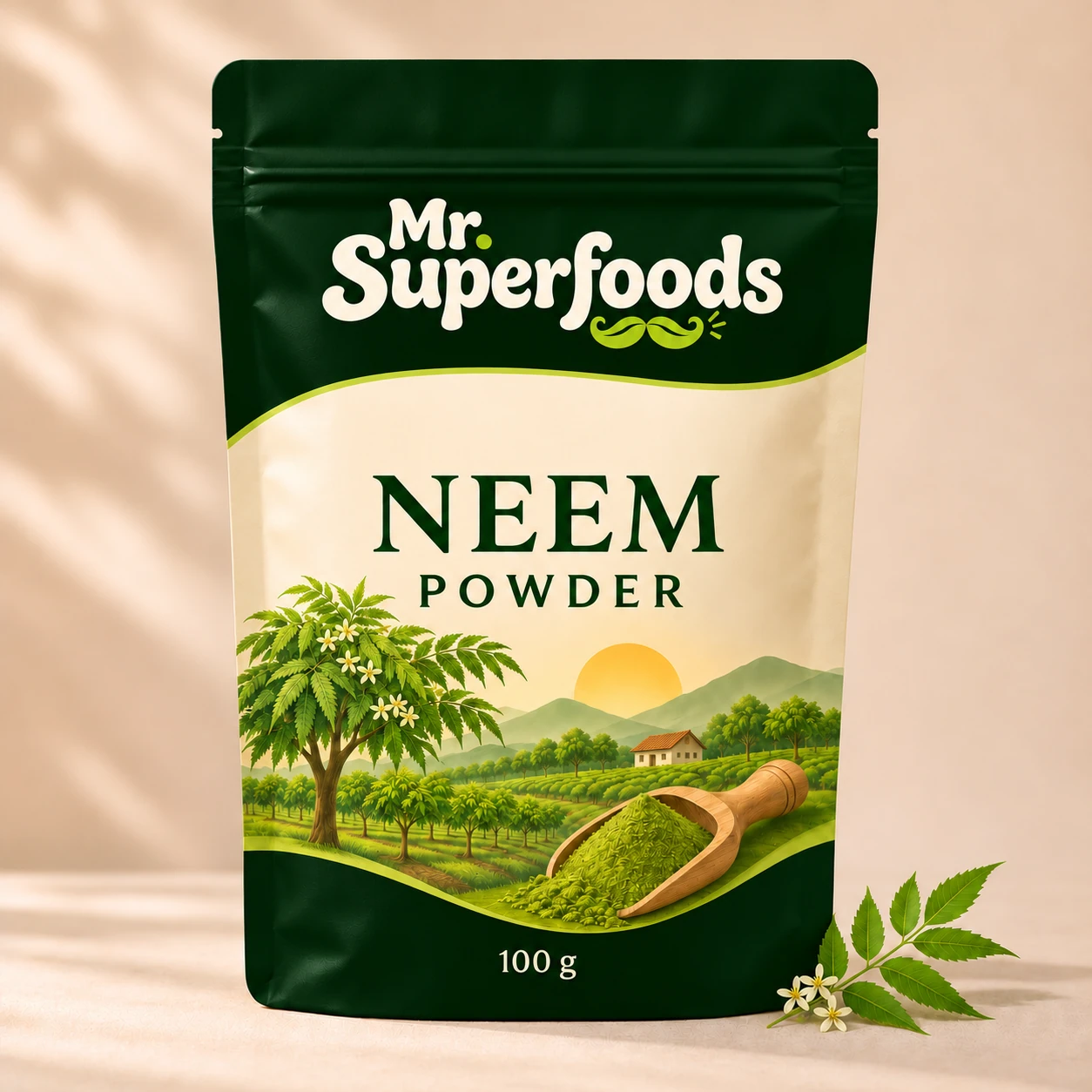
Read guideGuideNatural Skin Care for Acne-Prone SkinFor acne-prone skin, the basics matter most: wash gently twice a day, don't pick, use non-comedogenic products and wear sunscreen. Neem has been used in Indian skin care for generations — a weekly neem face pack with rose water or curd is a simple traditional ritual. Persistent acne needs a dermatologist.
Read guideGood Questions
Are these tools completely free to use?
Yes, 100% free with no email sign-up, subscription or app download required. We believe transparent, practical nutrition information should be freely accessible to everyone.
Where do the nutritional values and RDA numbers come from?
All benchmarks follow the 2020 Recommended Dietary Allowances (RDA) published by the Indian Council of Medical Research and National Institute of Nutrition (ICMR-NIN). Food composition estimates reference the official Indian Food Composition Tables (IFCT, 2017) and USDA FoodData Central.
Why are these calculators tailored specifically to Indian diets?
Most online calculators use Western nutritional standards that don't account for vegetarian staples like dal, paneer, sattu, and halim, nor do they factor in plant iron bioavailability or ICMR-NIN body reference weights.
Can I share my results with a friend or nutritionist?
Yes. Every tool features a 'Share result' button that encodes your inputs into the URL, allowing you to copy the link or share it via WhatsApp and social apps.