
Ingredient Guides
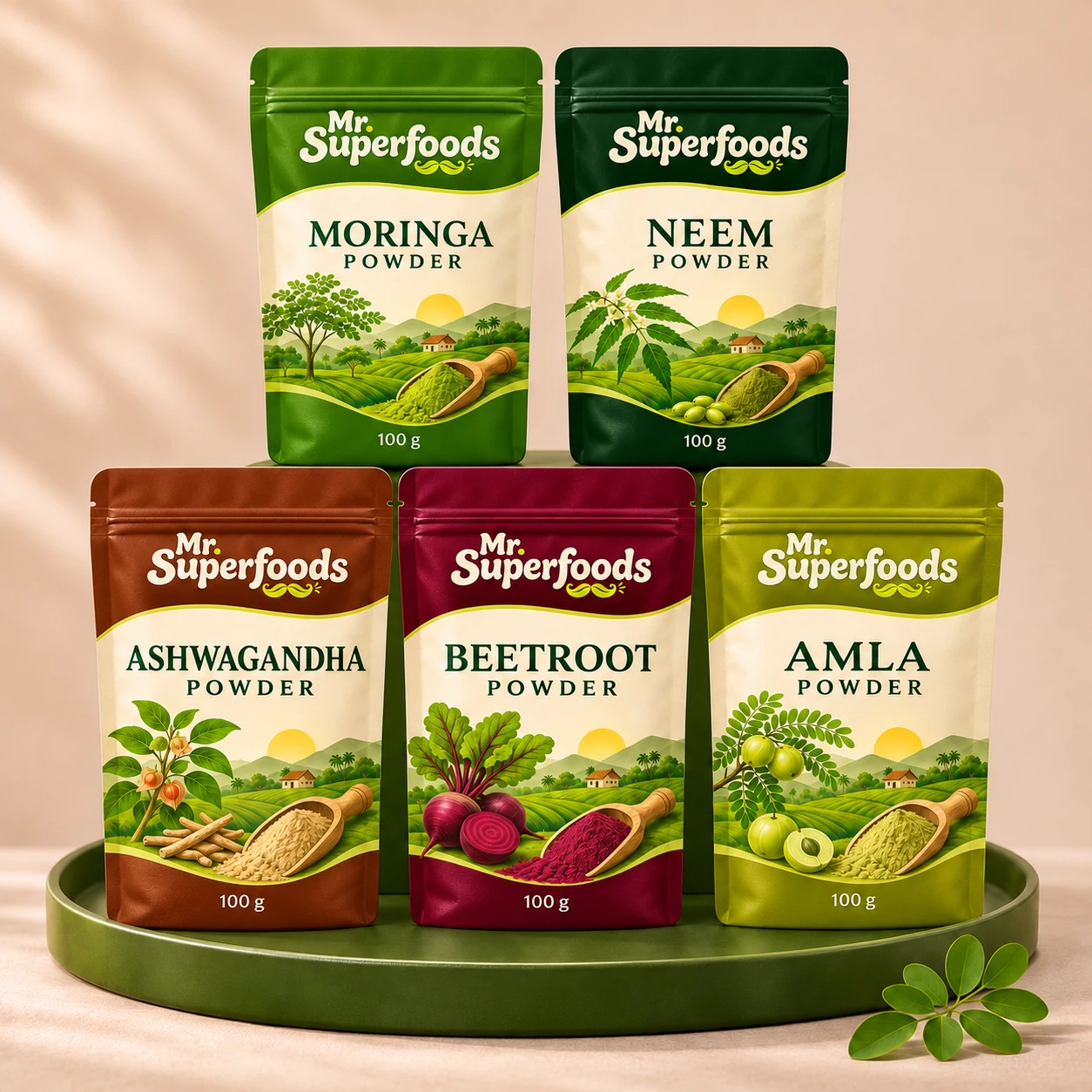
Everything you need to know before your first spoon — dosage, regional names, how to make each powder taste good, and safety notes.
Ingredient Pillar · Leaf Powder
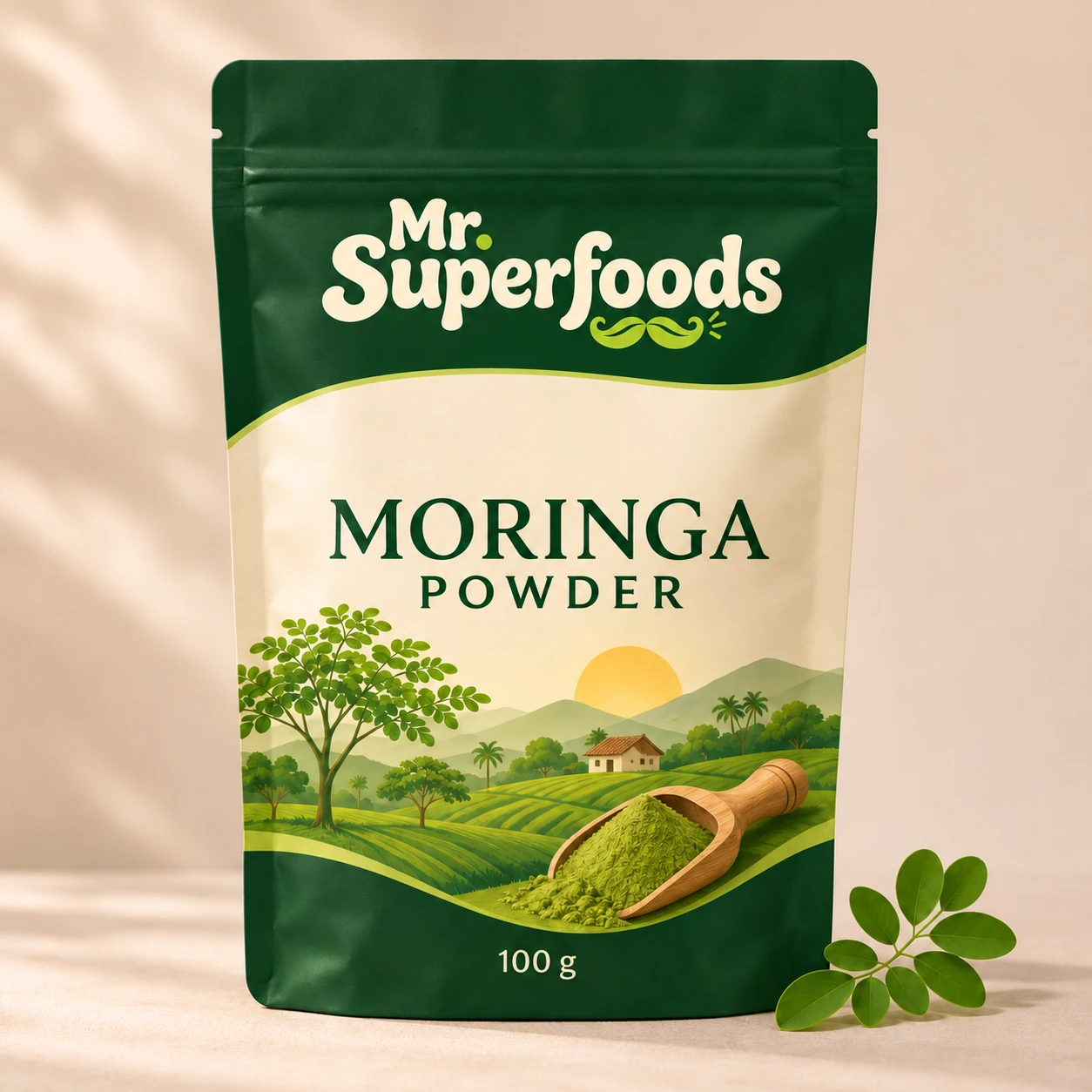
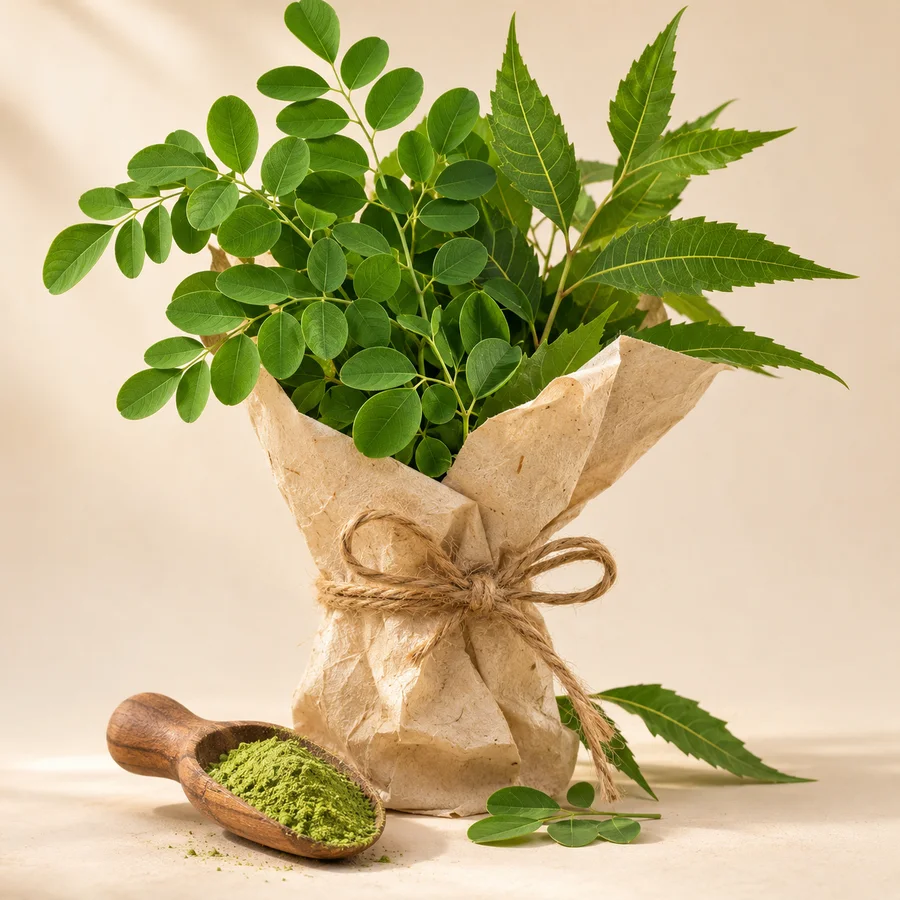
Moringa Leaf Powder Guide: Benefits, Daily Dose & Taste-First Rituals
Most adults start with ½ teaspoon (1.5–2 g) of shade-dried moringa leaf powder per day and build up to 1 teaspoon (3–5 g). Rather than stirring it into plain warm water, blend it into banana smoothies, dal, or atta for rotis to soften its earthy, spinach-like taste.
Read guide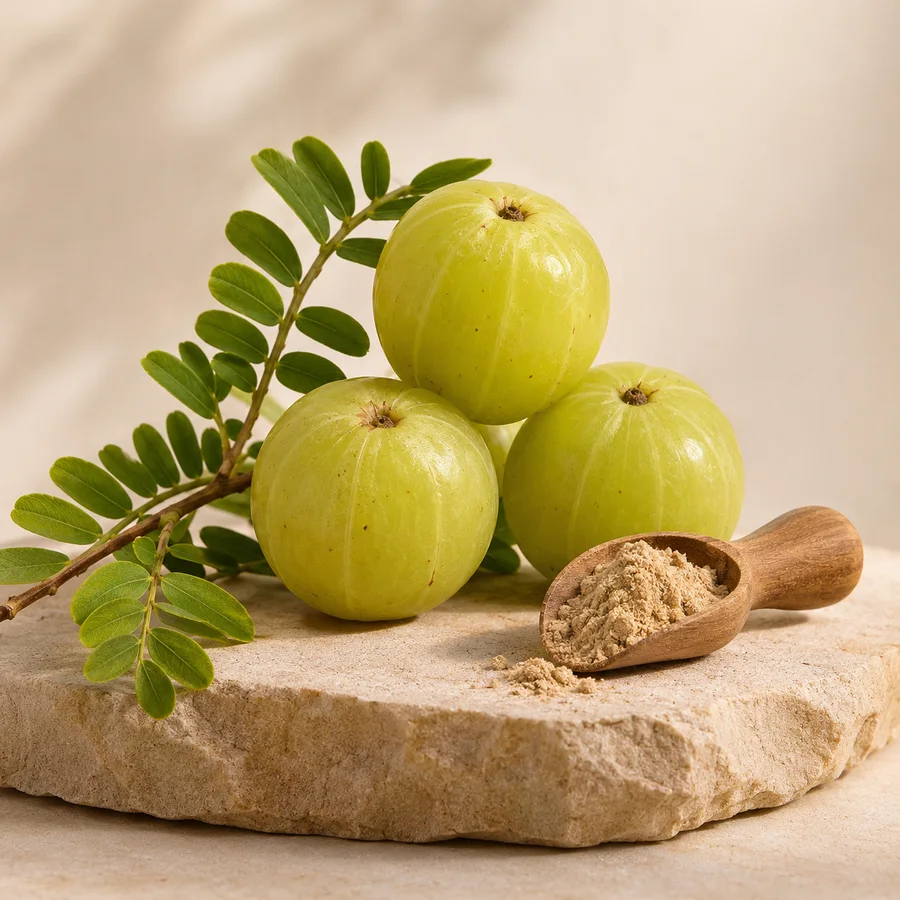
Ingredient Pillar · Fruit Powder
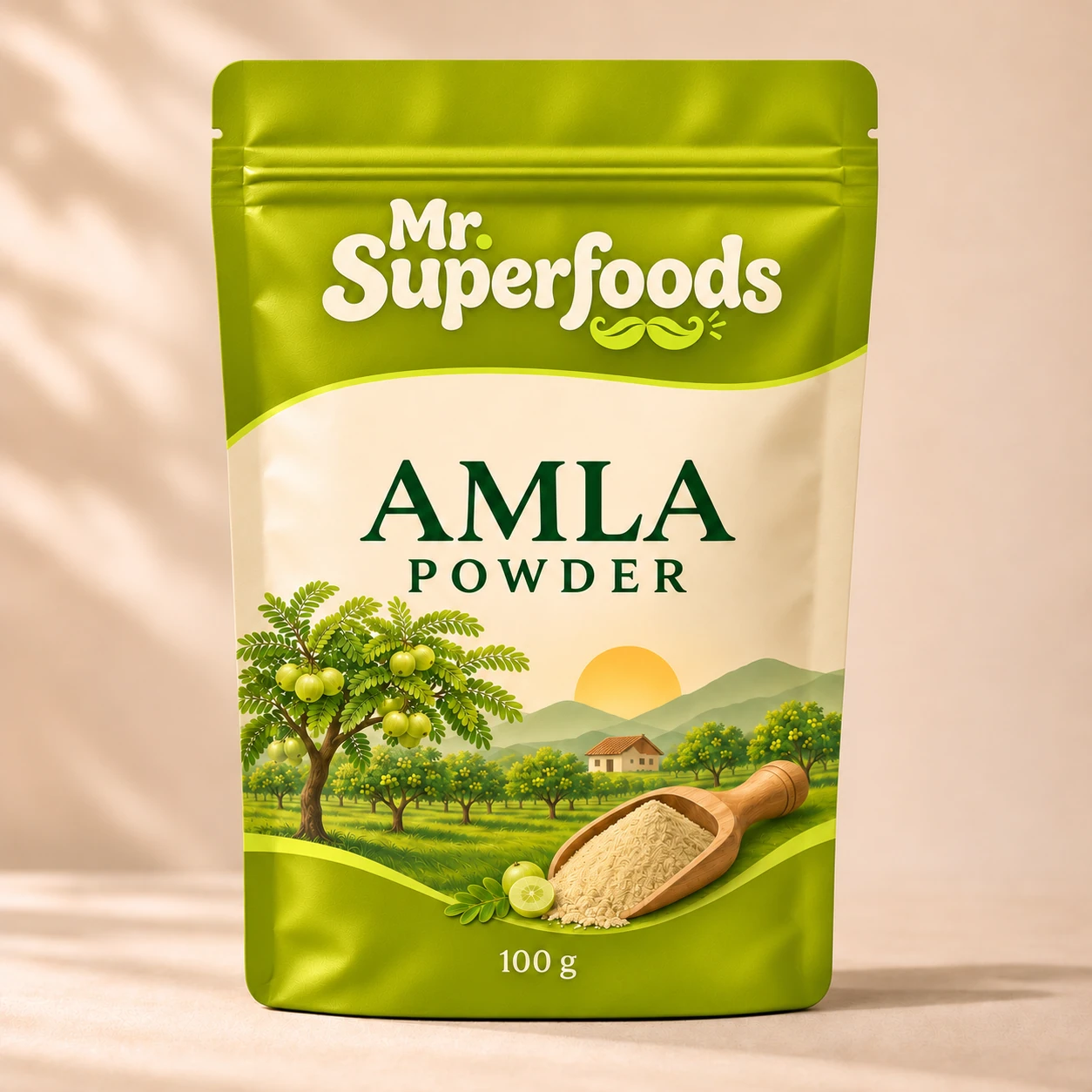
Amla Powder Guide: Hair Rituals, Morning Shots & Vitamin C
Amla (Indian gooseberry) powder is used both internally—½ teaspoon with warm water and honey in the morning—and topically in hair masks with curd, shikakai, or reetha. Deseeded, low-temperature dried fruit powder retains natural vitamin C and polyphenols without added sugar.
Read guide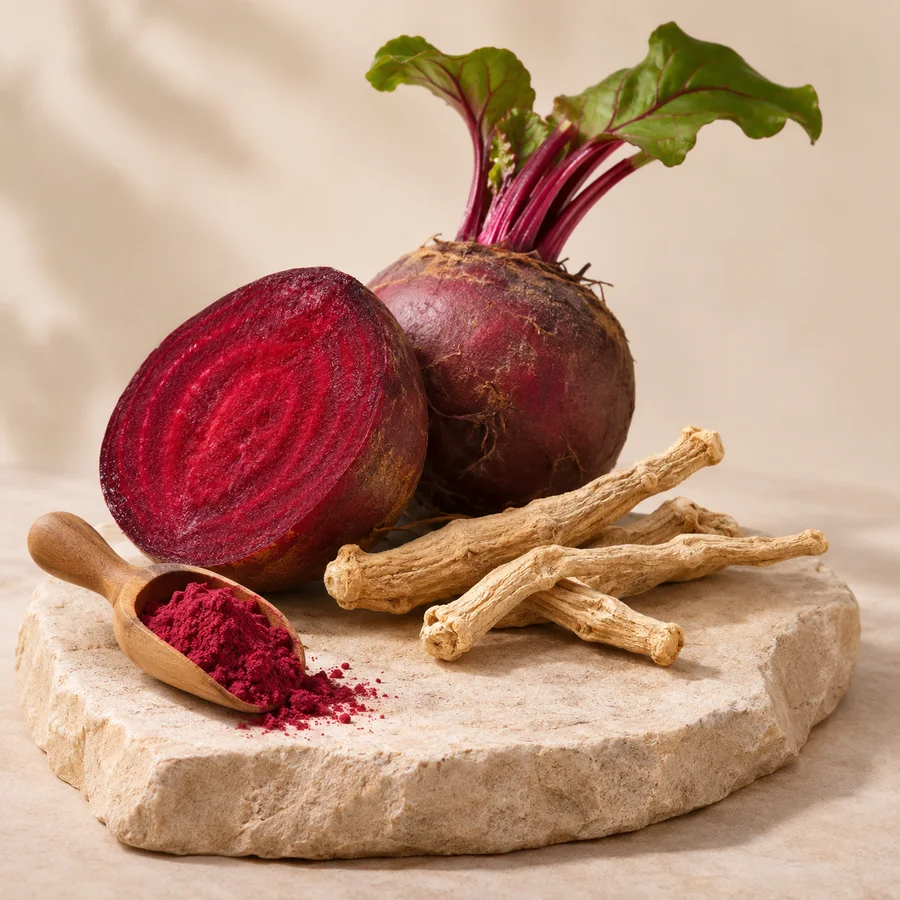
Ingredient Pillar · Root Powder
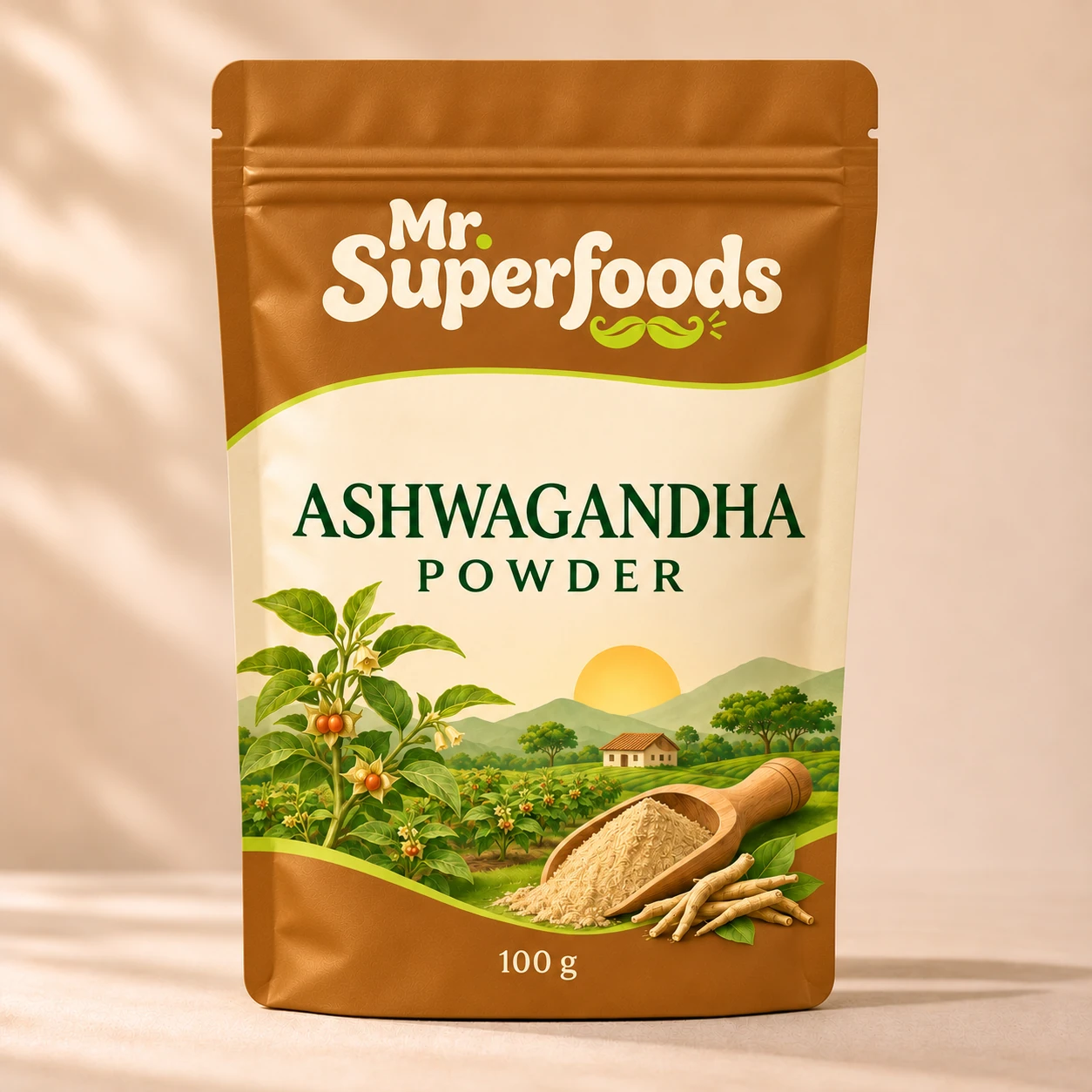
Ashwagandha Root Powder Guide: Evening Calm, Dosage & Safety
Traditional Ayurvedic use relies strictly on Ashwagandha root (not leaves) at ¼ to ½ teaspoon (1.5–3 g) in warm milk with cardamom and honey before bed. Warming spices and fat from milk mellow its strong, earthy bitterness.
Read guide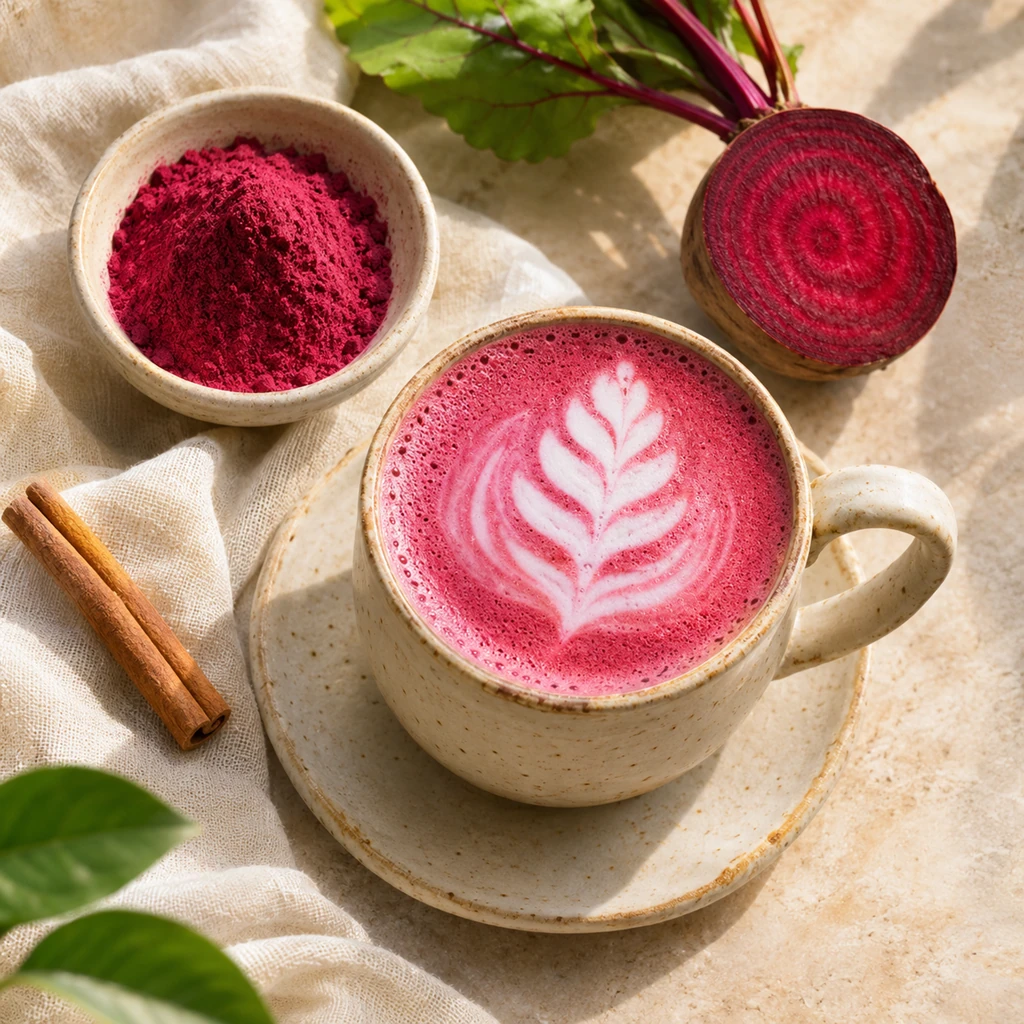
Ingredient Pillar · Root Powder
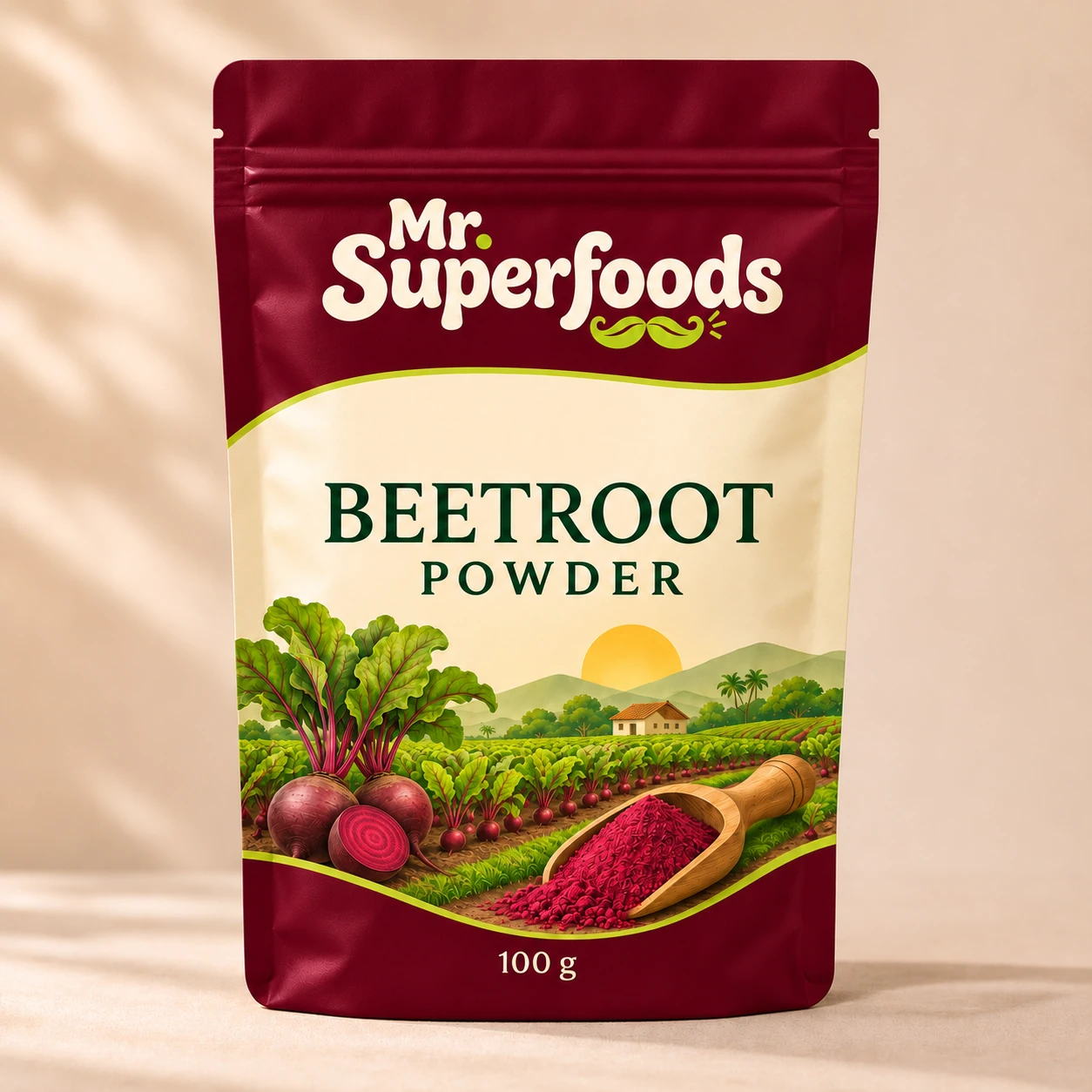
Beetroot Powder Guide: Skin Glow Rituals & Pre-Workout Drinks
Pure dehydrated beetroot powder is prized for both DIY skin-glow face packs (mixed with rose water or curd) and vibrant pre-workout drinks (1 teaspoon in lemon water 30 minutes before exercise). Look for 100% beetroot with zero synthetic red dyes.
Read guide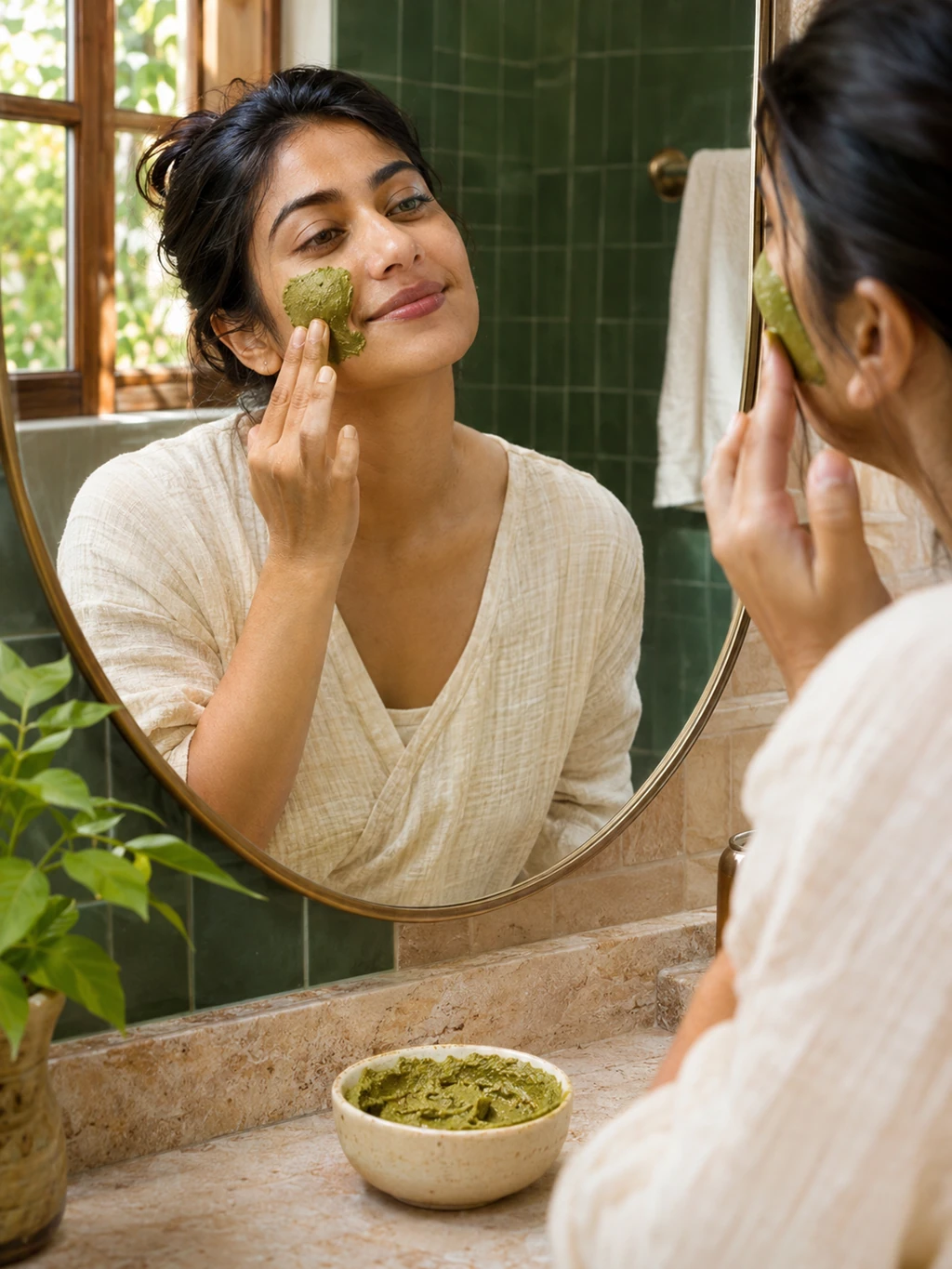
Ingredient Pillar · Leaf Powder
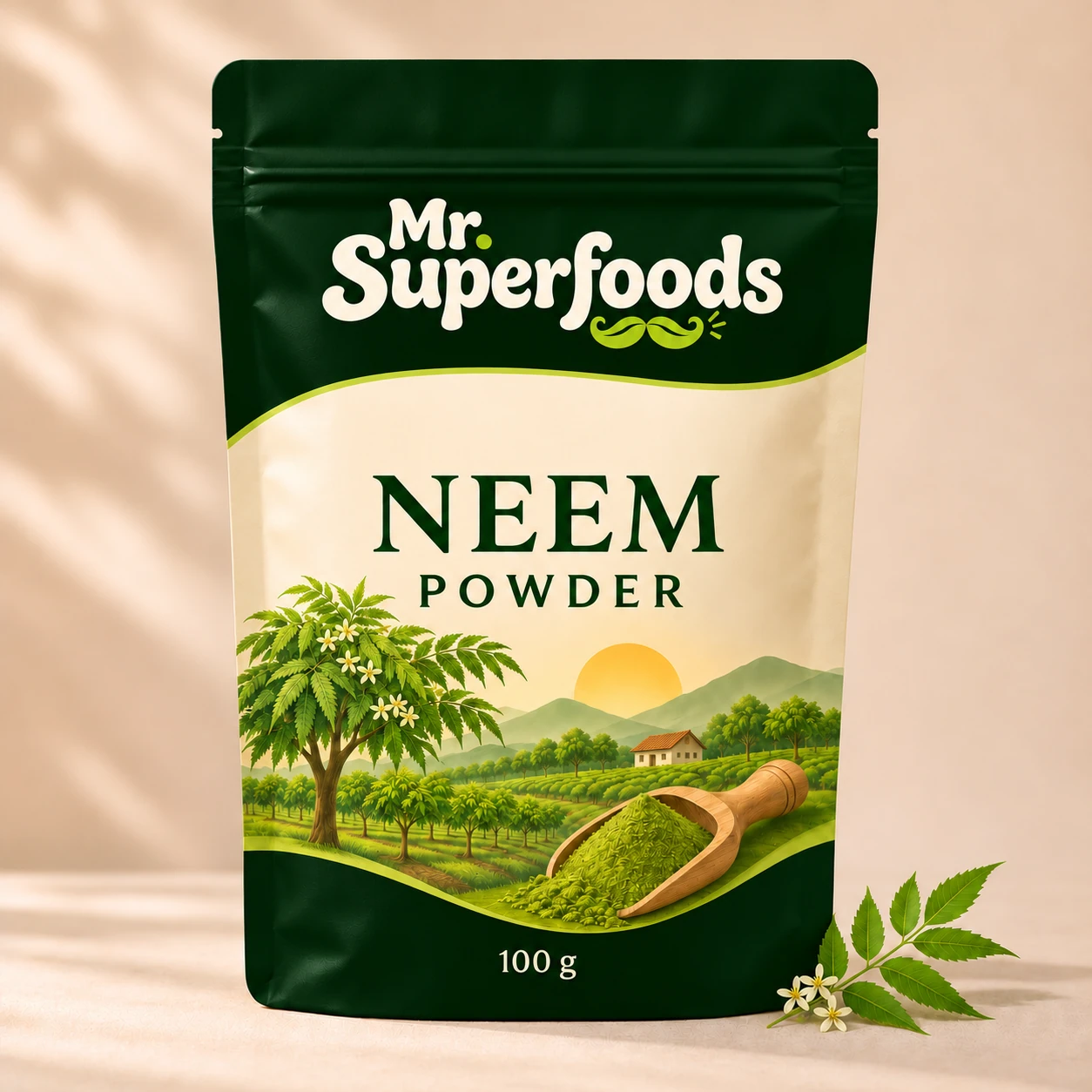
Neem Leaf Powder Guide: Face Packs, Scalp Care & Purity
100% shade-dried neem leaf powder is an Indian self-care staple for clarifying face packs and scalp masks. Because neem is intensely bitter, most people use it topically with rose water, multani mitti, or curd rather than drinking it daily.
Read guideCompare powders side by side
Not sure whether to pick moringa or spirulina, or amla powder vs vitamin C tablets? Read our objective comparisons.