
Honest Comparisons
Clear, food-first breakdowns so you can pick what actually fits your kitchen, taste, and budget.
Moringa vs Spirulina: Which Green Powder Fits Your Daily Routine?
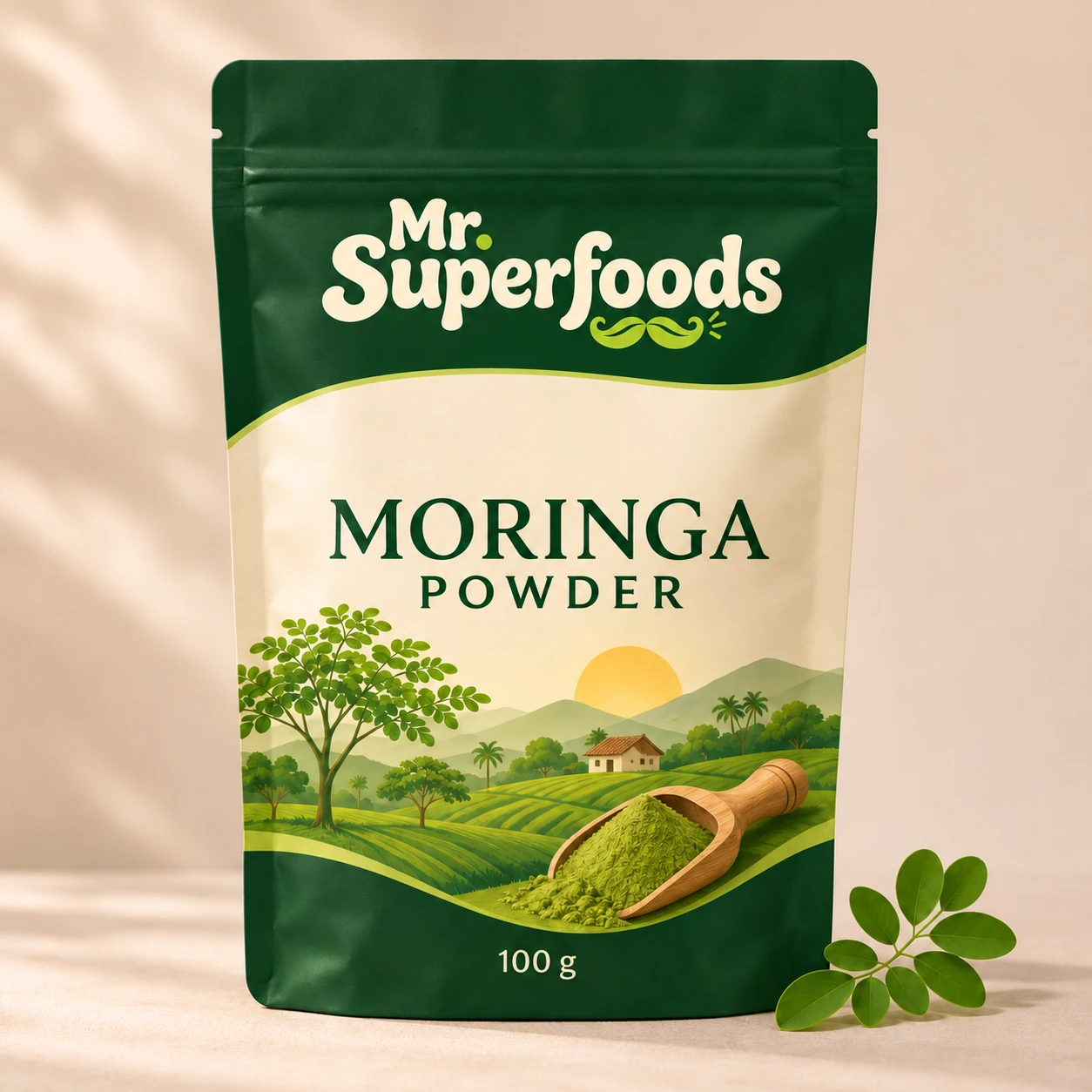
Choose Moringa if you want a versatile, mild-tasting leafy green that blends into Indian dals, rotis, and smoothies at a lower cost per day. Choose Spirulina if you specifically want higher protein density (55–65 g/100 g) and don't mind a strong marine taste.
See comparison tablePure Amla Powder vs Vitamin C TabletsAmla Powder vs Vitamin C Tablets: Whole Food vs Synthetic Ascorbic Acid
Choose pure Amla powder if you prefer a whole-fruit, zero-additive food source that doubles as a hair and skin mask. Choose Vitamin C tablets if you need an exact, travel-friendly milligram dose prescribed by a doctor.
See comparison tableDehydrated Beetroot Powder vs Fresh Beetroot JuiceBeetroot Powder vs Fresh Beetroot Juice: Convenience, Shelf Life & Use
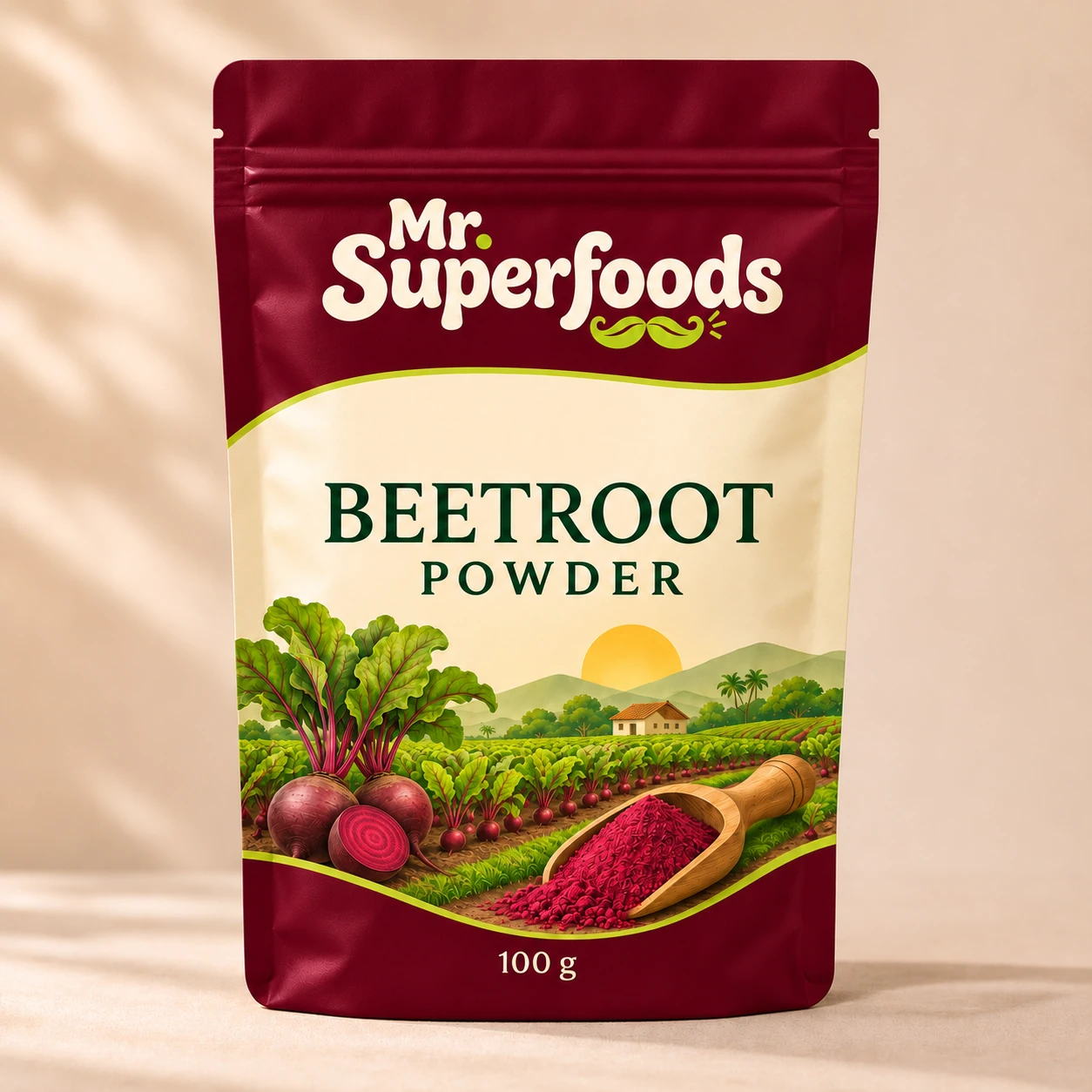
Choose Beetroot Powder for zero-prep convenience, 12-month pantry shelf life, and easy use in both pre-workout shots and DIY glow face packs. Choose fresh juice when you have time to peel, blend, and strain daily.
See comparison tableAshwagandha Root Powder vs Ashwagandha CapsulesAshwagandha Root Powder vs Capsules: Purity, Ritual & Value
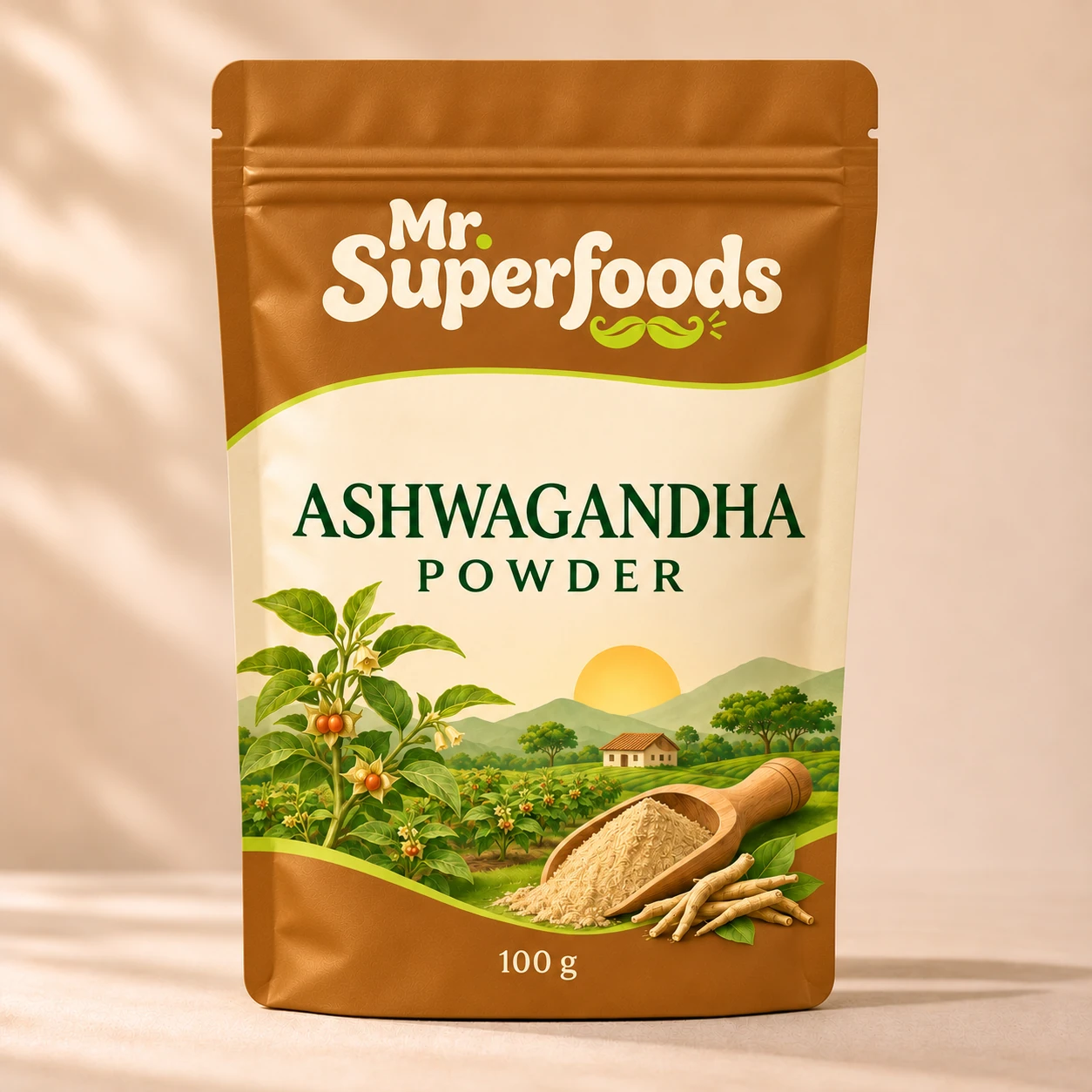
Choose Root Powder for traditional bedtime moon milk, zero capsule shell/fillers, and better value per gram. Choose capsules if you strongly dislike earthy tastes and want zero-prep convenience.
See comparison tableMr. SuperFoods (Batch COA) vs Loose Open-Bin PowderLoose Market Powder vs Batch-Tested Single-Ingredient Powder
Loose market powders are cheaper upfront per kg, but lack batch traceability, moisture barriers, and sand/heavy-metal testing. Batch-tested pouches protect freshness and let you verify purity before every spoon.
See comparison tableSee our batch-tested powders
Single-ingredient powders with zero fillers and public lab reports.